
Cannabis and Pain Management: Current Medical Evidence
Pain is personal. It’s also complicated—because “pain” isn’t one thing. Neuropathic pain (nerve pain) behaves differently than arthritis pain. Migraines aren’t the same as back spasms. And the best plan for your symptoms often combines multiple tools: movement, sleep support, stress management, targeted therapies, and—when appropriate—medical cannabis.
In Florida, many patients explore medical cannabis for chronic nonmalignant pain as part of a physician-guided treatment plan. Florida law defines chronic nonmalignant pain as pain caused by (or originating from) a qualifying medical condition that persists beyond the usual course of that condition.
Topical Cannabis Products: Medical Use Cases
Cannabis topicals are all about targeted support. Think: sore knees after a long walk, tight shoulders after a desk day, overworked hands, post-workout legs, or that “why is my neck doing this?” moment that shows up out of nowhere. Unlike inhalation or oral cannabis, topicals are designed for localized application—you apply them directly to the skin where you want support, rather than sending cannabinoids on a full-body tour.
Let’s break down what topical cannabis products are, what they’re best for, how to dose them, and which options to look for on the Green Dragon FL menu.
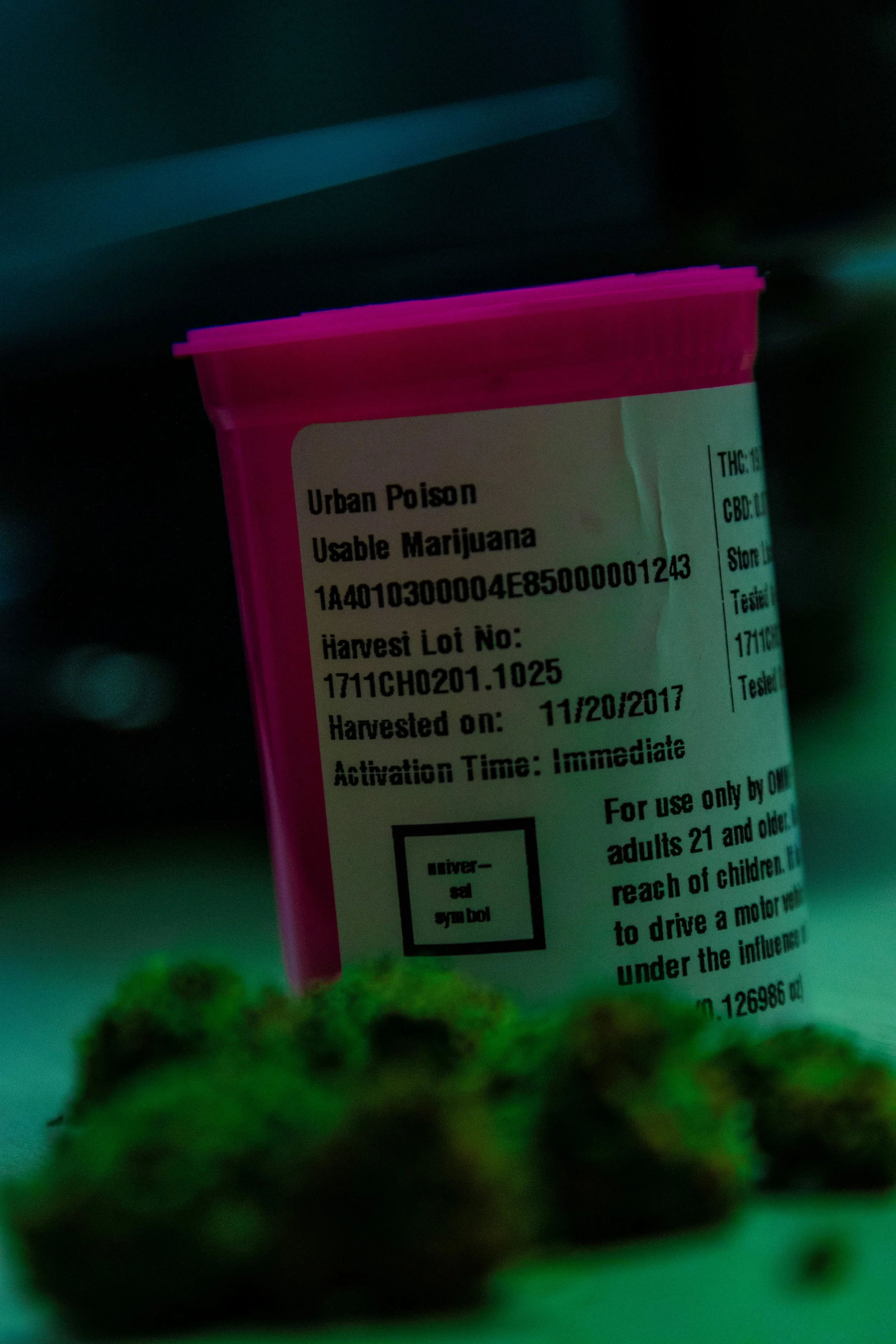
How to Read Cannabis Lab Reports with Confidence (Florida Patient Guide)
What a COA is (and why it matters in cannabis Florida)
A COA is a third-party lab report tied to a specific batch (also called lot) of a product. It typically covers two big things:
Potency (cannabinoids like THC/CBD, sometimes terpenes)
Safety (screens for contaminants like pesticides, heavy metals, microbials, residual solvents, etc.)
In Florida’s medical program, testing labs are certified through the state’s Office of Medical Marijuana Use (OMMU), and OMMU publishes a list of certified marijuana testing laboratories (CMTLs).
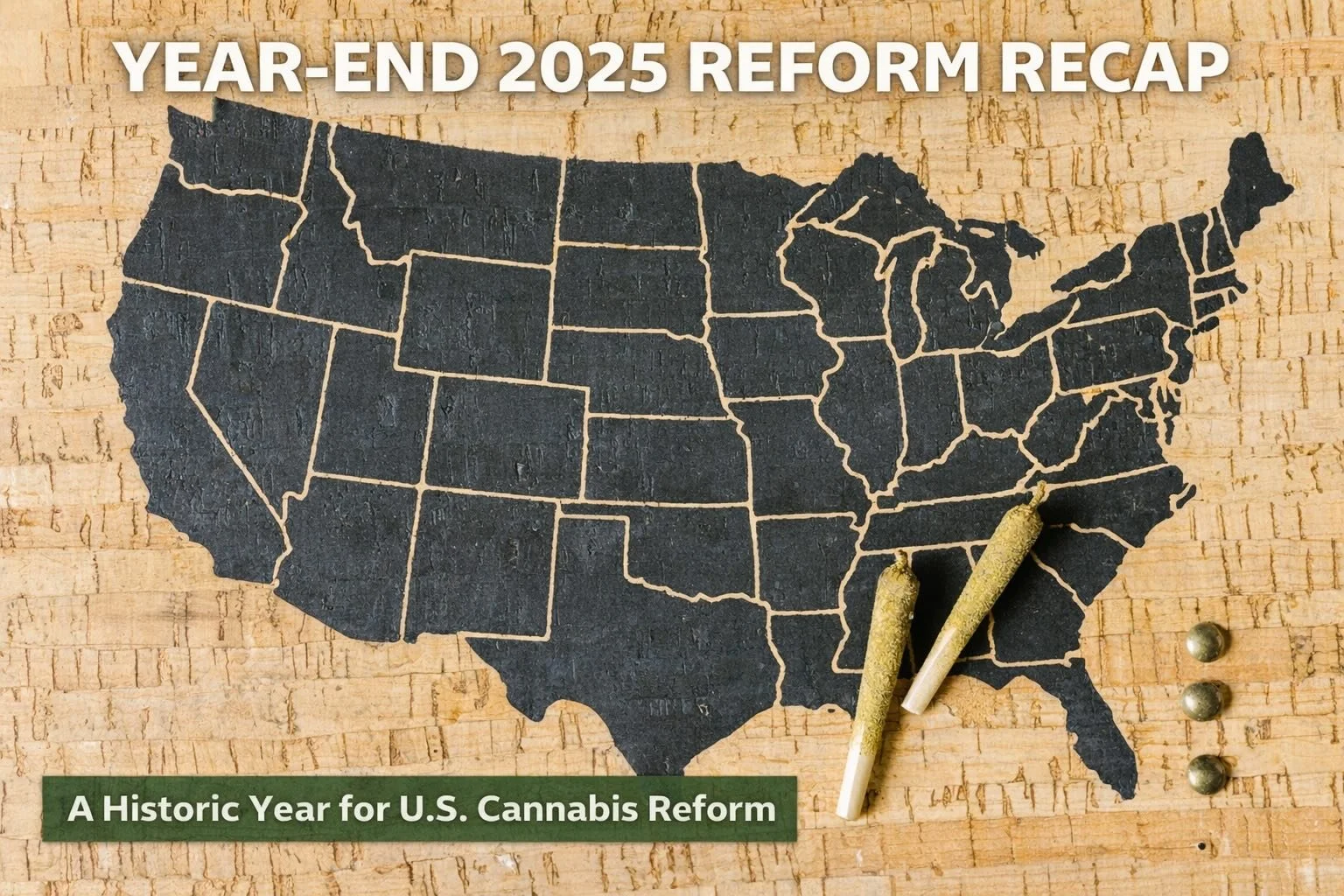
Where Federal Cannabis Reform Stands After 2025: What Florida Patients Should Know
The biggest 2025 headline: Rescheduling is back in motion
Late in 2025, President Donald Trump signed an executive order directing the Department of Justice to move more quickly on the ongoing process to reclassify marijuana from Schedule I to Schedule III under the Controlled Substances Act.
That’s a big deal in cannabis policy terms—but it’s not the same as federal legalization.
Key point: Multiple legal and policy summaries emphasize that a final rule has not been issued, and until it is, marijuana remains Schedule I at the federal level.