Cannabis and Neuroprotection: Emerging Research
Cannabis and neuroprotection is one of the most talked-about areas in medical cannabis research, but the science is still evolving. Here’s what Florida patients should know about cannabinoids, neurological research, and choosing practical product formats without overhyping the evidence.
Microdosing in Medical Cannabis Treatment
Microdosing in medical cannabis treatment is exactly what it sounds like: using a very small amount of cannabinoids, usually THC or a balanced THC:CBD product, to support a treatment goal without pushing into an overwhelming experience. Think less “check out for the evening” and more “dial the volume down a notch.”
For Florida medical cannabis patients, that approach can make a lot of sense. Not every symptom calls for a heavy dose. Sometimes the goal is simply to take the edge off, settle into a calmer baseline, or build a more predictable routine around pain, stress, appetite, rest, or daily discomfort. In those moments, less can genuinely be more.

High-THC Products: Appropriate Medical Use Cases
High-THC cannabis is not automatically better. This guide explains when potent products may be appropriate for medical use, which formats fit different goals, and how Florida patients can shop smarter.
Medical Cannabis and Mental Health Monitoring: A Smarter Way to Track Your Experience
Medical cannabis and mental health monitoring is less about chasing a feeling and more about tracking patterns. Here is how Florida patients can log dose, timing, mood, sleep, and next-day effects more effectively.
Cannabis and Chronic Illness Management: What Florida Patients Should Know
Chronic illness care is rarely about one symptom. This guide explains how cannabis may fit into a broader management plan, what the evidence actually says, and which Florida product formats are worth a closer look.
Terpenes Associated with Sedation and Relaxation
Not all relaxing cannabis products feel the same. This guide breaks down the terpenes most associated with sedation and relaxation—like myrcene, linalool, and beta-caryophyllene—plus how Florida patients can shop smarter and protect terpene quality through better storage.
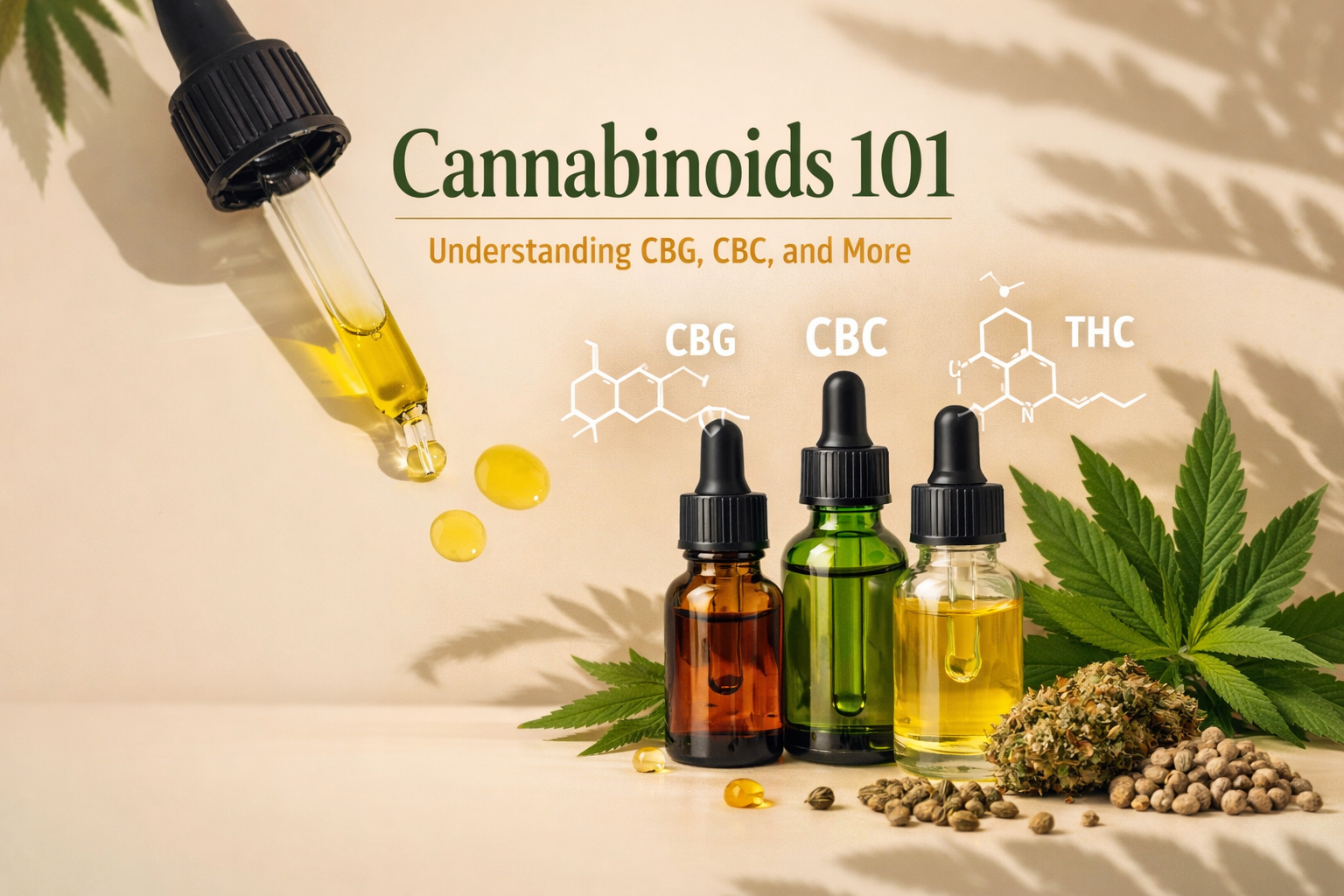
Cannabinoids 101: Understanding CBG, CBC, and More
Cannabis contains 100+ naturally occurring compounds called cannabinoids, and THC + CBD are just the headliners.
The rest (often called minor cannabinoids) can show up in smaller amounts, but they may still influence the overall feel of a product—especially when you’re comparing two options with similar THC.
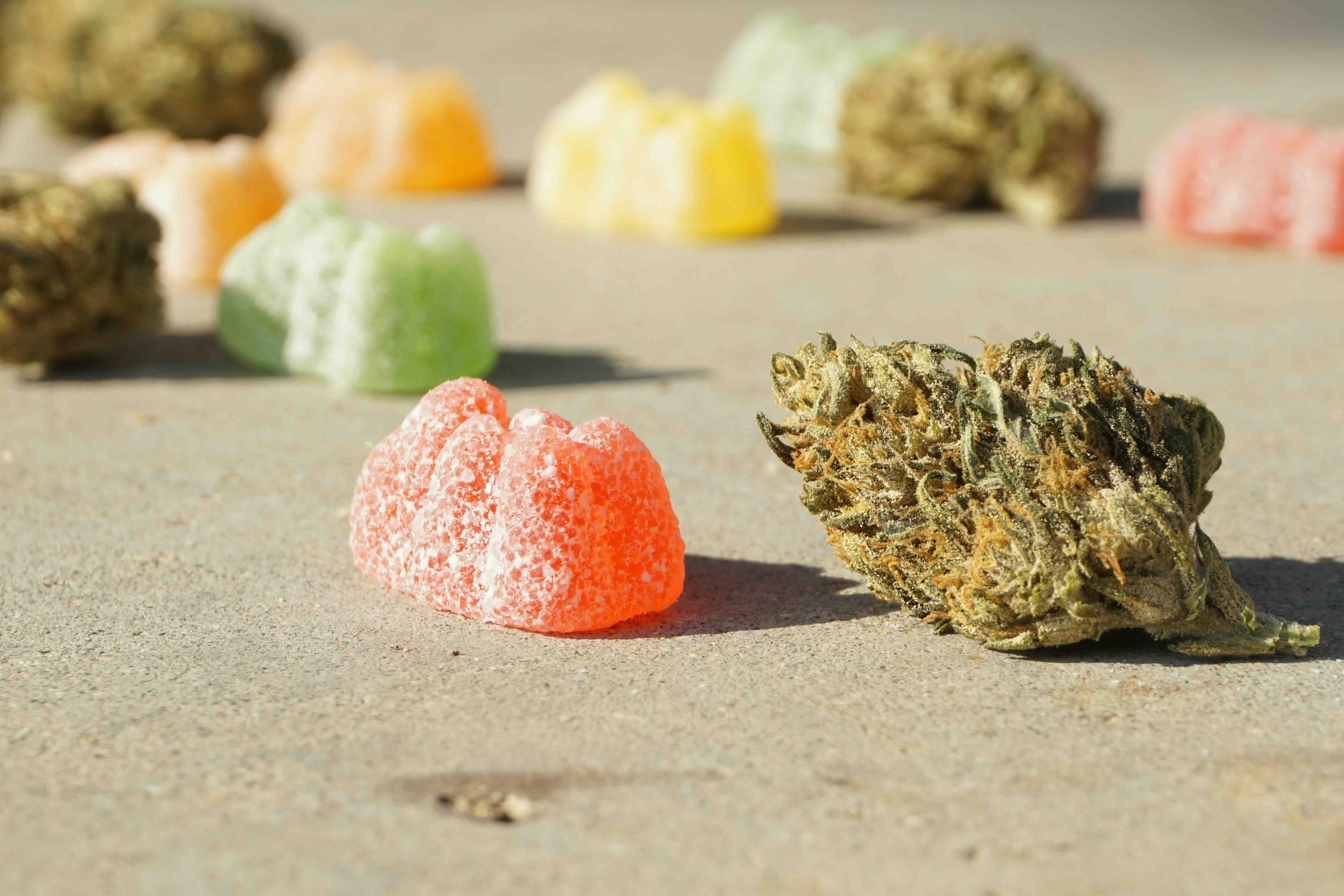
Smoking vs. Edibles for Patients: Timing, Control, and Lung Health
When you smoke flower, cannabinoids enter through the lungs and effects show up quickly—often within minutes. That speed makes smoking feel controllable in the moment because you can take a small hit, pause, and decide what you need next.
But smoking also means combustion, and the CDC notes that smoke from cannabis contains many of the same toxins, irritants, and carcinogens as tobacco smoke.