
Terpene Ratios vs THC Percentage: What Matters More?
THC tells you how strong a product may feel. Terpenes help explain how it may feel. Here’s how Florida medical cannabis patients can use both to shop smarter.
Cannabis and Liver Metabolism (CYP450) Explained
In plain English, CYP450 is a family of enzymes that helps your body process many drugs. A useful comparison is grapefruit: the FDA explains that grapefruit can block intestinal CYP3A4, which can let more of certain oral medications enter the bloodstream and stay there longer. That is why some labels warn patients to avoid grapefruit. Cannabis is not grapefruit, but the analogy helps: if a product changes the enzymes or transporters involved in drug handling, blood levels can shift up or down.

Terpenes Associated with Sedation and Relaxation
Not all relaxing cannabis products feel the same. This guide breaks down the terpenes most associated with sedation and relaxation—like myrcene, linalool, and beta-caryophyllene—plus how Florida patients can shop smarter and protect terpene quality through better storage.
Understanding Full-Spectrum vs Broad-Spectrum Cannabis Products (Florida Patients’ Guide)
What does “spectrum” mean in cannabis, anyway?
“Spectrum” is a way of describing how much of the plant’s natural chemical makeup is present in an extract.
Cannabis contains:
Major cannabinoids (like THC and CBD)
Minor cannabinoids (like CBG, CBC, CBN, THCV, etc.)
Terpenes (aromatic compounds that also influence effects)
Flavonoids and other trace compounds
Different extraction and refinement methods keep (or remove) different parts of that mix. That’s where “full-spectrum” and “broad-spectrum” come in.
CBN and Sleep: What the Science Suggests
What Is CBN, Exactly?
CBN (cannabinol) is a cannabinoid that’s closely related to THC, but it’s not the same experience. One key detail: CBN is commonly formed as cannabis ages, because THC can slowly break down into CBN over time (storage conditions like oxygen, heat, and time can influence this).
That “aged cannabis makes you sleepy” folklore? It’s partly why CBN became associated with sleep in the first place.
CBD Explained: How to Dose Smarter and Stay Safe (Green Dragon FL Guide)
Cannabidiol (CBD) is one of the most common cannabinoids found in cannabis. Unlike THC, CBD doesn’t create the “high” feeling most people associate with marijuana.
Instead, CBD is often used by patients who want a more functional, daytime-friendly experience—or who want a “buffer” alongside THC (especially in balanced ratio products like 1:1 THC:CBD).
CBG Explained: Potential Medical Benefits and Research (What Florida Patients Should Know)
CBG—short for cannabigerol—has a way of showing up in cannabis conversations right after someone says, “I want relief, but I don’t want to feel too high.” In the world of medical marijuana Florida patients, CBG has become one of the most-requested “minor cannabinoids” because it’s non-intoxicating on its own, often described as clear-headed, and it plays a unique role in how the cannabis plant makes many of the compounds we already know and love.
Let’s break down what CBG is, what the science actually suggests (and what it doesn’t—yet), and how to shop smarter for CBG-forward products at Green Dragon FL.
Terpenes vs. Cannabinoids: Key Differences for Patients
If you’re a Florida medical marijuana patient, you’ve probably seen this play out in real life: two products with similar THC numbers… but totally different experiences. One feels mellow and body-forward. The other feels bright, buzzy, or more “heady.”
Here’s the deal: cannabinoids (like THC and CBD) are the headline act—but terpenes are the “how it feels” supporting cast that can help explain why your body responds the way it does.
Let’s break down the key differences (Green Dragon style), so you can shop with more confidence—without getting lost in lab-report alphabet soup.
What Is A Chemovar? A Terpene-First Way To Choose Medical Cannabis
A chemovar (short for chemical variety) is a more science-forward way to talk about cannabis—based on what’s in the plant (and product), not just what it’s called. Instead of relying on old-school categories, chemovars focus on the combination of:
Cannabinoids (THC, CBD, and more)
Terpenes (aroma compounds like limonene, myrcene, pinene, linalool, etc.)
Sometimes minor compounds (like minor cannabinoids and flavonoids)
This shift matters because research has long suggested that popular naming and broad “indica vs. sativa” sorting doesn’t consistently map to chemical composition—especially in today’s world of extensive crossbreeding and branding.
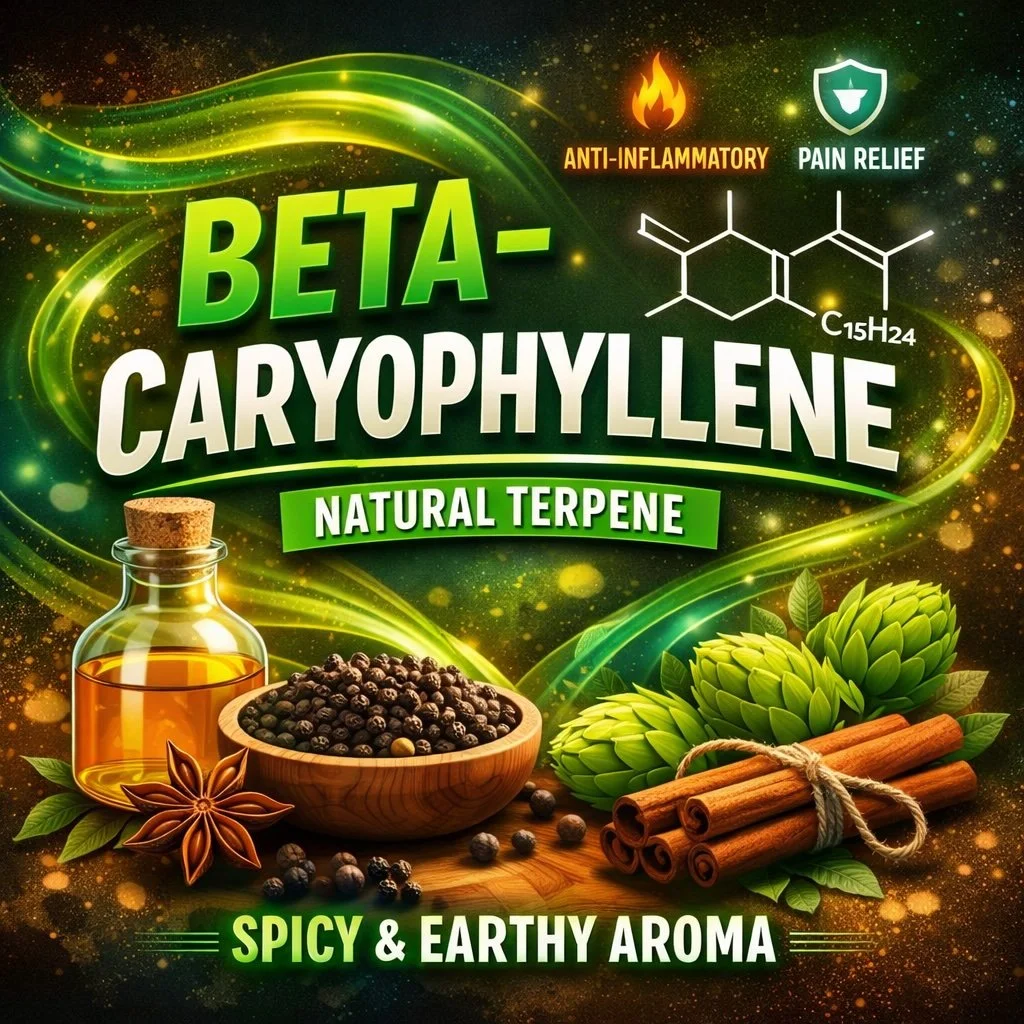
Beta-Caryophyllene: The Terpene That Interacts with CB2 Receptors
When Florida patients talk about medical cannabis, the conversation usually starts with THC (or CBD) and ends there. But if you’ve ever tried two products with similar THC percentages and had very different experiences—more body relief from one, more heady intensity from another—you’ve already met the missing piece: cannabis terpenes.
One terpene in particular keeps showing up in modern cannabis education for a reason: beta-caryophyllene (β-caryophyllene). It’s famous for its peppery, spicy aroma, but what really makes it stand out is that it can interact with the endocannabinoid system—specifically by engaging CB2 receptors.
Let’s break down what that means (in real-life terms), how to spot beta-caryophyllene on a lab report, and which terpene-forward options to look for on Green Dragon FL menus.
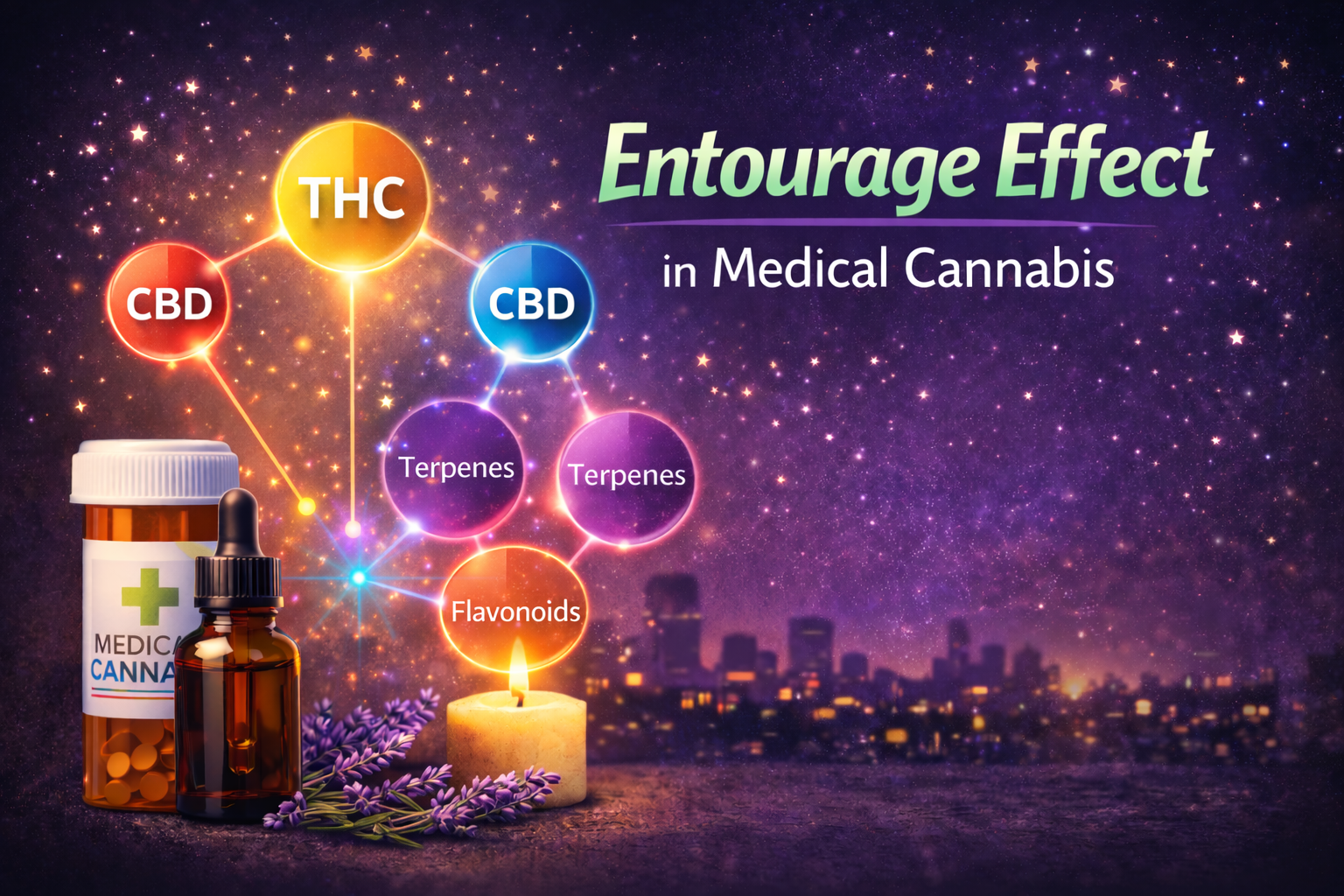
Green Dragon FL Patient Guide: Entourage Effect Basics + Product Picks
If you’ve ever tried two products with nearly identical THC numbers and thought, “Why do these feel totally different?”—you’ve already bumped into the reason patients keep talking about the entourage effect.
In simple terms, the entourage effect is the idea that cannabinoids (like THC + CBD) and aromatic compounds (like terpenes) may work better together than they do alone—changing not just the “strength,” but the shape of your experience.
Linalool 101: How This Terpene Fits Into a Better Nighttime Routine
For Florida medical marijuana patients, terpenes like linalool can be a helpful educational lens: not as a guarantee of effects, but as a way to understand why two products with similar THC numbers can feel totally different. And at Green Dragon, we’re big on helping patients shop smarter—premium bud, not premium prices—with real-world, practical guidance.
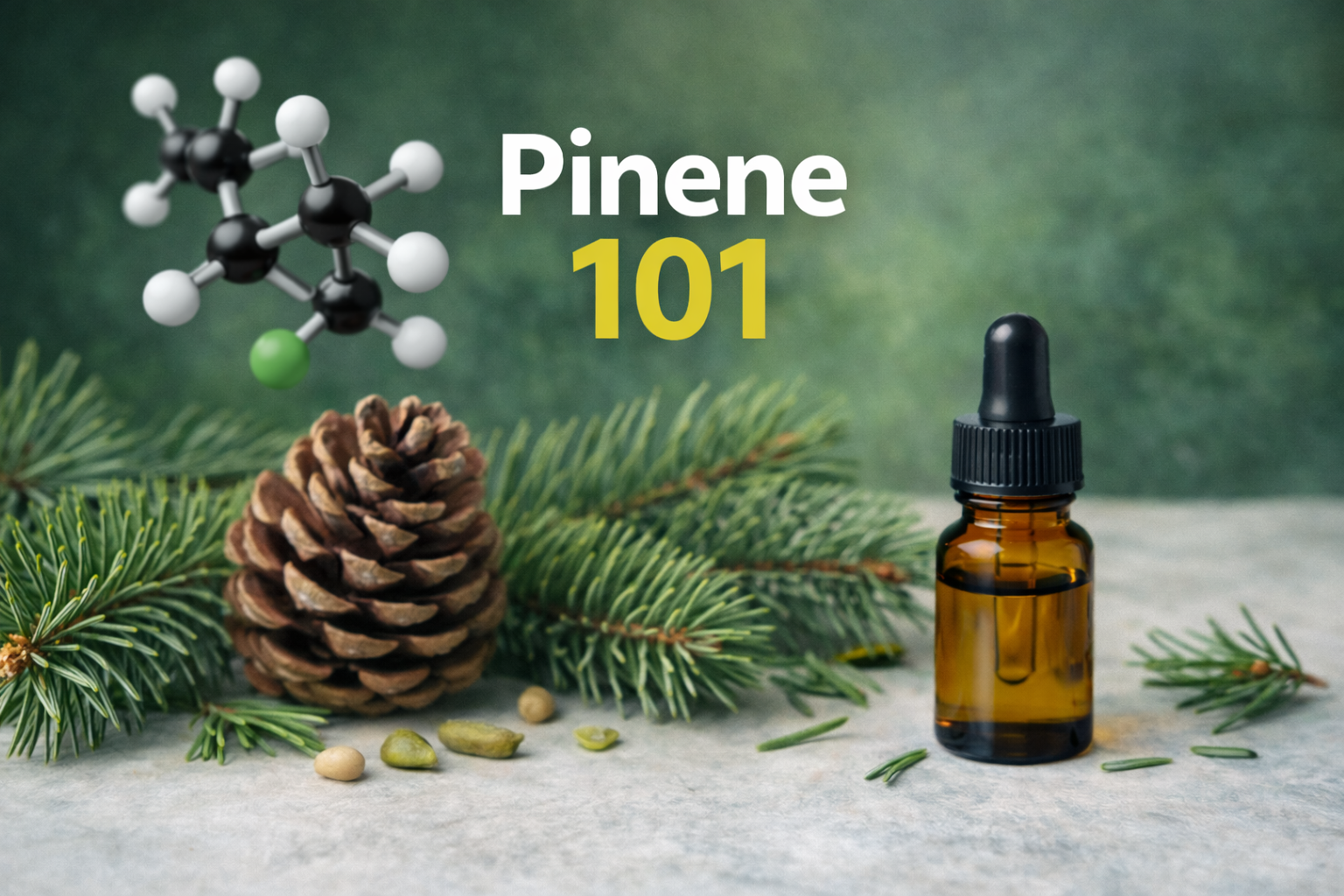
Pinene in Cannabis: Respiratory and Cognitive Considerations (Florida Patient Guide)
What is pinene, exactly?
Pinene is a common terpene in nature, and it typically shows up as alpha-pinene (α-pinene) and beta-pinene (β-pinene). α-pinene is especially well-studied across plant science and essential oil research, and it’s also a known component of cannabis aroma chemistry.
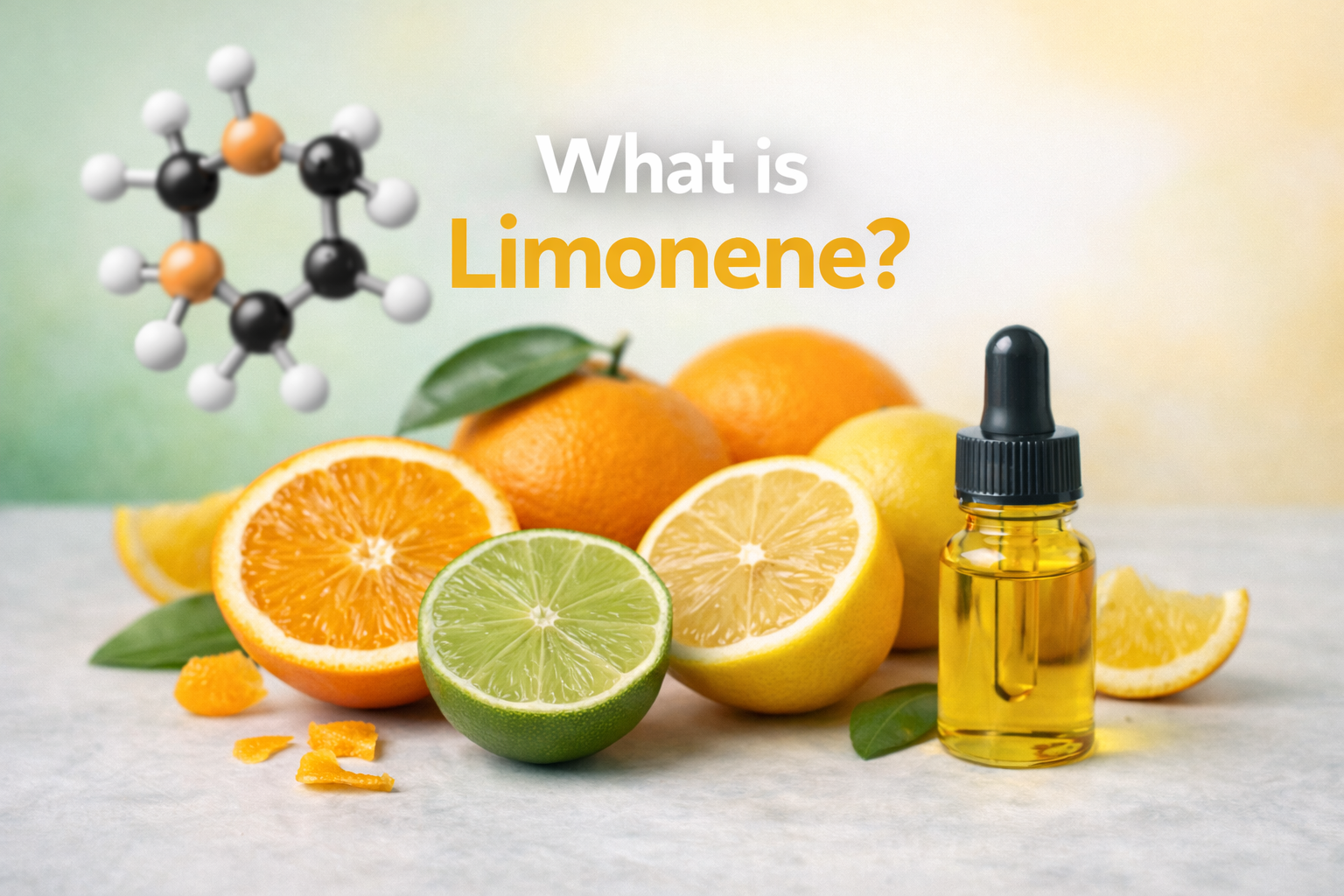
Limonene Terpene Profile: Mood, Stress, and Therapeutic Potential
Limonene is one of cannabis’s most recognizable terpenes—the aromatic compounds that help shape a strain’s scent, flavor, and overall vibe. In the world of medical marijuana Florida patients, limonene tends to get a lot of love for one simple reason: it often feels bright. Think citrus zest, fresh-squeezed energy, and that clean, upbeat aroma that can make a heavy day feel a little lighter.
Myrcene in Medical Cannabis: How to Shop Smarter in Florida
If you’ve ever smelled a jar of flower and thought, “yep… that’s the one that’s gonna melt my shoulders,” you’ve probably met myrcene.
Myrcene (often listed as β-myrcene on lab reports) is one of the most common cannabis terpenes—and it’s strongly associated with that classic earthy, musky, herbal aroma and a deep, body-forward, wind-down vibe. It also shows up outside of cannabis in plants like hops, lemongrass, and mango (yes, the mango thing is real—at least aromatically).