Understanding Bioavailability in Cannabis Medicine
If you’ve ever wondered why a vape works in minutes while a chew takes longer and lasts longer, bioavailability is the reason. This guide breaks down how delivery method changes the medical cannabis experience and how to shop smarter.
Cannabis and Neuroprotection: Emerging Research
Cannabis and neuroprotection is one of the most talked-about areas in medical cannabis research, but the science is still evolving. Here’s what Florida patients should know about cannabinoids, neurological research, and choosing practical product formats without overhyping the evidence.
Cannabis and Immune System Modulation: What Florida Patients Should Know
Cannabis is better understood as an immune modulator than an immune booster. Here’s what Florida patients should know about inflammation, cannabinoids, dosing formats, and practical Green Dragon product picks.
Terpene Ratios vs THC Percentage: What Matters More?
THC tells you how strong a product may feel. Terpenes help explain how it may feel. Here’s how Florida medical cannabis patients can use both to shop smarter.
Cannabis and Liver Metabolism (CYP450) Explained
In plain English, CYP450 is a family of enzymes that helps your body process many drugs. A useful comparison is grapefruit: the FDA explains that grapefruit can block intestinal CYP3A4, which can let more of certain oral medications enter the bloodstream and stay there longer. That is why some labels warn patients to avoid grapefruit. Cannabis is not grapefruit, but the analogy helps: if a product changes the enzymes or transporters involved in drug handling, blood levels can shift up or down.

Cannabis and Inflammation: Mechanisms of Action
Inflammation gets talked about like it’s always the enemy, but that’s not really how the body works. In the short term, inflammation is protective. It helps you respond to injury, infection, and stress. The problem starts when that response becomes chronic, excessive, or poorly regulated. That’s when inflammation can begin to overlap with pain, stiffness, swelling, immune dysfunction, sleep disruption, and the kind of “always on” discomfort that wears people down over time. The endocannabinoid system, or ECS, is one of the body’s key homeostasis networks, and researchers describe it as a regulator of immune response, pain signaling, and tissue balance. (MDPI)
Understanding Full-Spectrum vs Broad-Spectrum Cannabis Products (Florida Patients’ Guide)
What does “spectrum” mean in cannabis, anyway?
“Spectrum” is a way of describing how much of the plant’s natural chemical makeup is present in an extract.
Cannabis contains:
Major cannabinoids (like THC and CBD)
Minor cannabinoids (like CBG, CBC, CBN, THCV, etc.)
Terpenes (aromatic compounds that also influence effects)
Flavonoids and other trace compounds
Different extraction and refinement methods keep (or remove) different parts of that mix. That’s where “full-spectrum” and “broad-spectrum” come in.
CBN and Sleep: What the Science Suggests
What Is CBN, Exactly?
CBN (cannabinol) is a cannabinoid that’s closely related to THC, but it’s not the same experience. One key detail: CBN is commonly formed as cannabis ages, because THC can slowly break down into CBN over time (storage conditions like oxygen, heat, and time can influence this).
That “aged cannabis makes you sleepy” folklore? It’s partly why CBN became associated with sleep in the first place.
Green Dragon FL Guide: THC As Medicine, Not A Guessing Game
THC (delta-9-tetrahydrocannabinol) gets talked about like it’s one thing: “the high.” But in clinical settings, THC is also a studied, pharmacologically active compound with real therapeutic potential and real tradeoffs. The difference between “THC as medicine” and “THC as chaos” usually comes down to: intent, dosing, product selection, and patient-specific risk.

Terpenes vs. Cannabinoids: Key Differences for Patients
If you’re a Florida medical marijuana patient, you’ve probably seen this play out in real life: two products with similar THC numbers… but totally different experiences. One feels mellow and body-forward. The other feels bright, buzzy, or more “heady.”
Here’s the deal: cannabinoids (like THC and CBD) are the headline act—but terpenes are the “how it feels” supporting cast that can help explain why your body responds the way it does.
Let’s break down the key differences (Green Dragon style), so you can shop with more confidence—without getting lost in lab-report alphabet soup.
What Is A Chemovar? A Terpene-First Way To Choose Medical Cannabis
A chemovar (short for chemical variety) is a more science-forward way to talk about cannabis—based on what’s in the plant (and product), not just what it’s called. Instead of relying on old-school categories, chemovars focus on the combination of:
Cannabinoids (THC, CBD, and more)
Terpenes (aroma compounds like limonene, myrcene, pinene, linalool, etc.)
Sometimes minor compounds (like minor cannabinoids and flavonoids)
This shift matters because research has long suggested that popular naming and broad “indica vs. sativa” sorting doesn’t consistently map to chemical composition—especially in today’s world of extensive crossbreeding and branding.
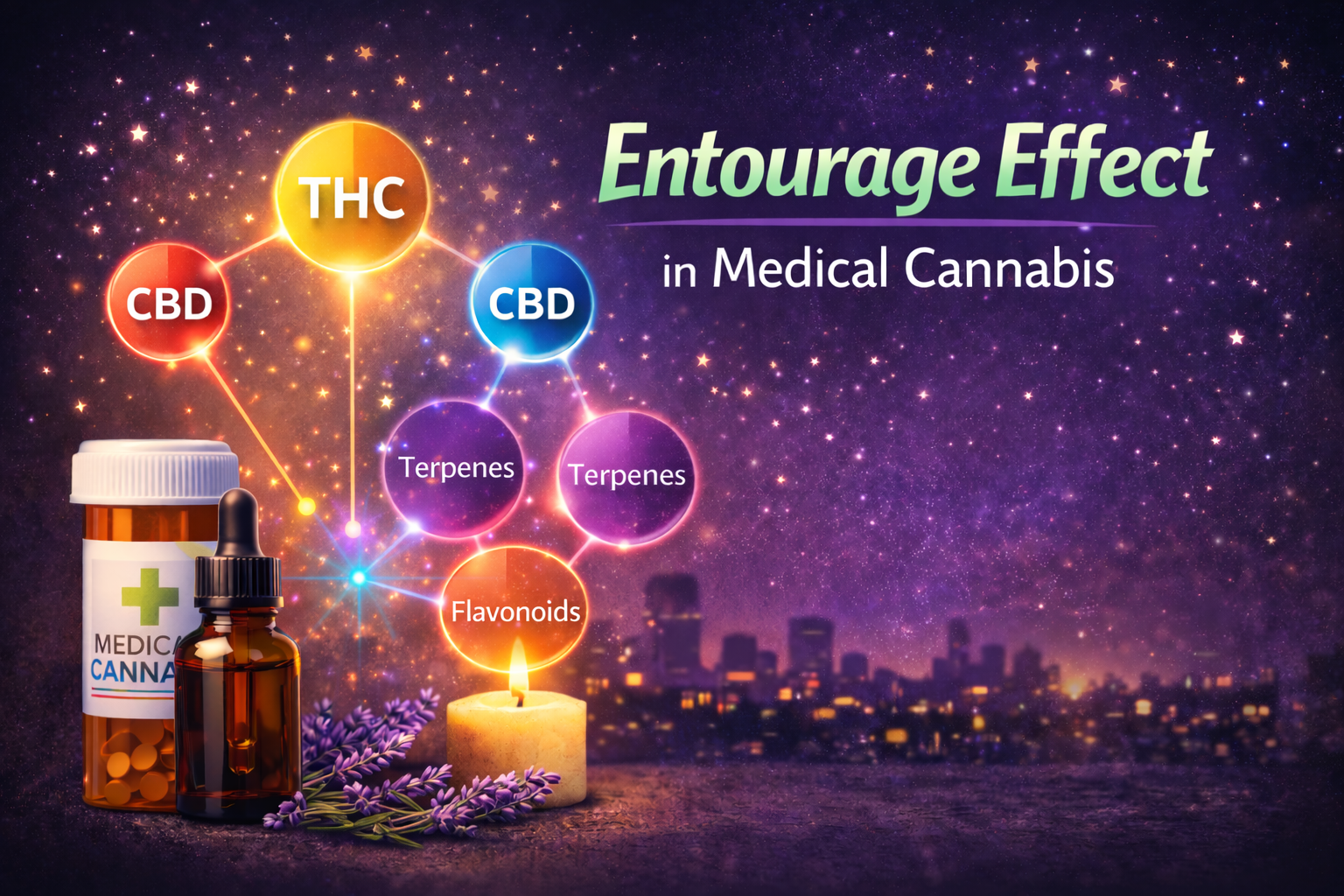
Green Dragon FL Patient Guide: Entourage Effect Basics + Product Picks
If you’ve ever tried two products with nearly identical THC numbers and thought, “Why do these feel totally different?”—you’ve already bumped into the reason patients keep talking about the entourage effect.
In simple terms, the entourage effect is the idea that cannabinoids (like THC + CBD) and aromatic compounds (like terpenes) may work better together than they do alone—changing not just the “strength,” but the shape of your experience.
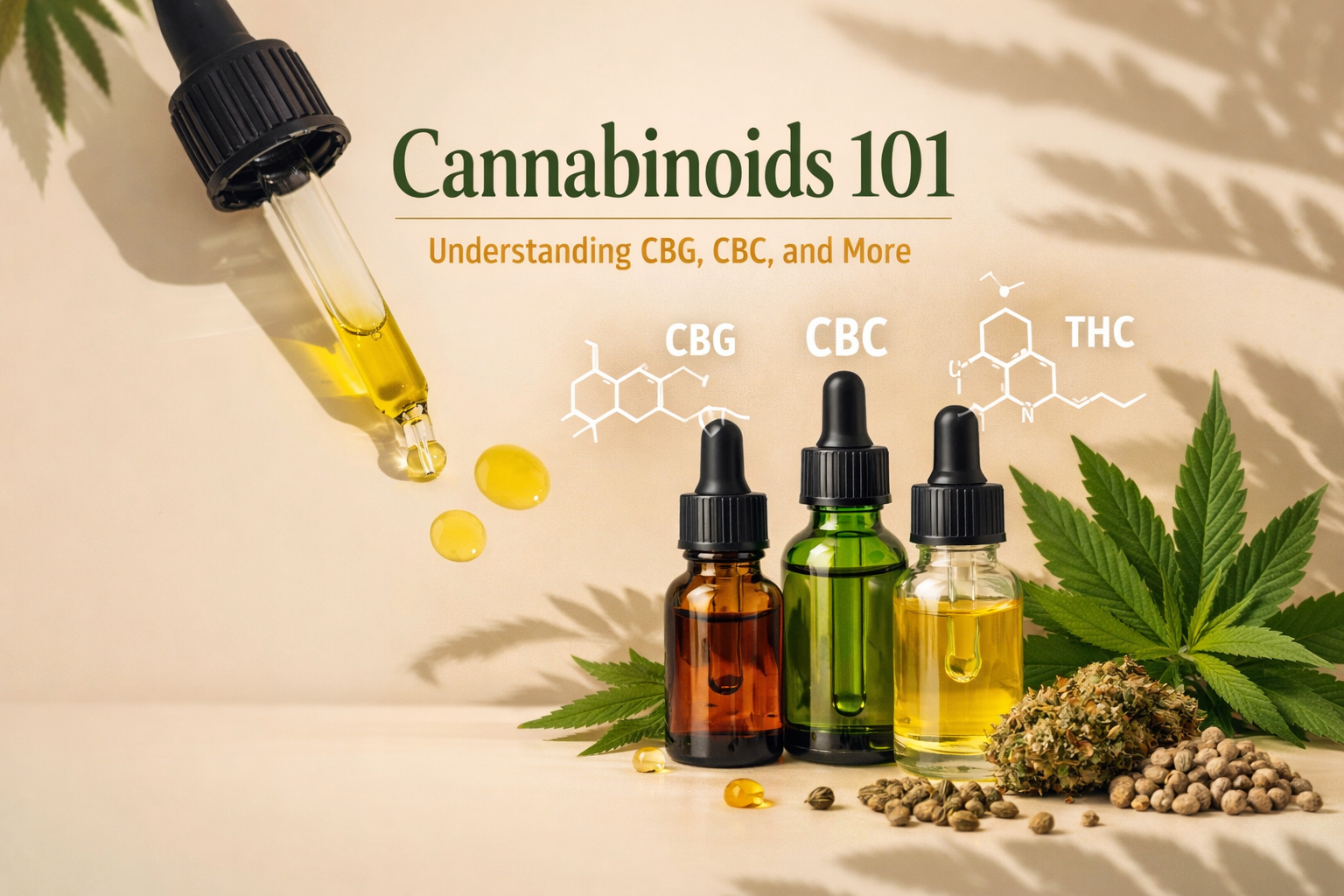
Cannabinoids 101: Understanding CBG, CBC, and More
Cannabis contains 100+ naturally occurring compounds called cannabinoids, and THC + CBD are just the headliners.
The rest (often called minor cannabinoids) can show up in smaller amounts, but they may still influence the overall feel of a product—especially when you’re comparing two options with similar THC.