
Cannabis Use and Cognitive Function: A Medical Review
Cannabis and cognitive function is more nuanced than “good” or “bad.” This medical review breaks down THC, CBD, cannabis terpenes, dose, and smarter shopping for Florida patients.
Understanding Bioavailability in Cannabis Medicine
If you’ve ever wondered why a vape works in minutes while a chew takes longer and lasts longer, bioavailability is the reason. This guide breaks down how delivery method changes the medical cannabis experience and how to shop smarter.
Cannabis and Gastrointestinal Conditions: What Florida Patients Should Know
Cannabis may play a supportive role for some gastrointestinal symptoms, but it is not a cure-all. Here is what Florida patients should know about nausea, appetite, IBS, IBD, dosing, risks, and current Green Dragon product formats.
Microdosing in Medical Cannabis Treatment
Microdosing in medical cannabis treatment is exactly what it sounds like: using a very small amount of cannabinoids, usually THC or a balanced THC:CBD product, to support a treatment goal without pushing into an overwhelming experience. Think less “check out for the evening” and more “dial the volume down a notch.”
For Florida medical cannabis patients, that approach can make a lot of sense. Not every symptom calls for a heavy dose. Sometimes the goal is simply to take the edge off, settle into a calmer baseline, or build a more predictable routine around pain, stress, appetite, rest, or daily discomfort. In those moments, less can genuinely be more.
Low-THC Medical Cannabis: When Less Is More
For a lot of patients, medical cannabis does not have to mean the strongest possible product or the highest THC percentage on the shelf. Sometimes the better fit is gentler, steadier, and easier to live with. A low-THC approach can help patients stay more comfortable, more functional, and more in control of their experience.
That is the real value behind the phrase “less is more.” It does not mean cannabis is weak or ineffective. It means the best result may come from using the smallest amount that supports your goal. For some patients, that can mean less grogginess, less anxiety, less trial and error, and a better chance of building a sustainable routine.
Medical Cannabis and Mental Health Monitoring: A Smarter Way to Track Your Experience
Medical cannabis and mental health monitoring is less about chasing a feeling and more about tracking patterns. Here is how Florida patients can log dose, timing, mood, sleep, and next-day effects more effectively.
Cannabis Drug Interactions: What Patients Should Know
Cannabis can interact with prescription medications in ways patients may not expect. Learn the biggest red flags, safer use habits, and Florida-friendly product formats to discuss with your doctor.
Cannabis Use for Anxiety Disorders: Clinical Insights for Florida Patients
Can cannabis help with anxiety disorders?
Potentially, yes, but not universally. Recent systematic reviews suggest medicinal cannabis and CBD may improve anxiety symptoms for some patients, while also making clear that long-term data and standardized dosing research are still limited.
Is CBD better than THC for anxiety?
Many patients find CBD easier to approach because it is less intoxicating, while THC is more likely to be helpful at low doses and more likely to feel uncomfortable at higher doses. That is why THC sensitivity matters so much in anxiety conversations.
How to Dose Medical Cannabis Safely: Edibles, Tinctures, Vapes, and More
1) The golden rule: Start low, go slow
If you remember one dosing principle, make it this: use the smallest amount that gets you the benefit you’re looking for—then increase gradually only if needed.
Why it matters:
Everyone metabolizes cannabinoids differently (body chemistry, tolerance, diet, sleep, stress, and medications all play a role).
Some products take longer to kick in than you’d expect—especially edibles—which can tempt people to “stack” doses too quickly. The CDC notes edible effects can take 30 minutes to 2 hours to be felt, and that delay is a common reason people take too much.
Green Dragon FL Guide: THC As Medicine, Not A Guessing Game
THC (delta-9-tetrahydrocannabinol) gets talked about like it’s one thing: “the high.” But in clinical settings, THC is also a studied, pharmacologically active compound with real therapeutic potential and real tradeoffs. The difference between “THC as medicine” and “THC as chaos” usually comes down to: intent, dosing, product selection, and patient-specific risk.
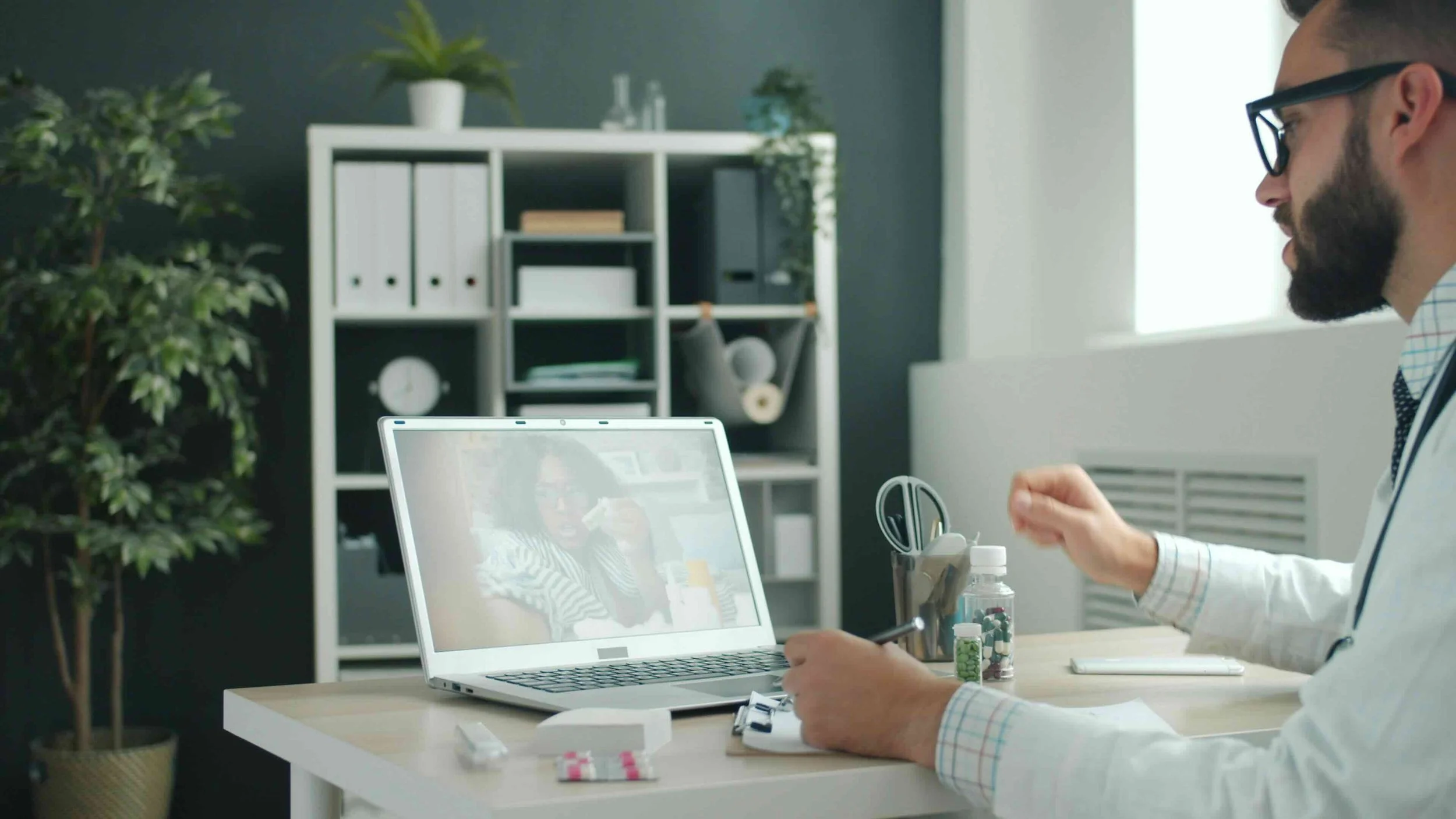
Cannabis and Your Care Plan: A Doctor Conversation Guide for Florida Patients
If you’re a Florida patient exploring medical marijuana, talking to your doctor about cannabis isn’t just “nice to do”—it’s one of the smartest safety moves you can make. Whether you’re already using cannabis or you’re just curious, your healthcare team can help you avoid medication interactions, dial in realistic expectations, and build a plan that actually fits your life (work, sleep, pain, anxiety, appetite—whatever’s on the list).
And here’s the thing: a good doctor conversation doesn’t require a perfect script or a PhD in cannabinoids. It just requires clarity, honesty, and a little prep.
A Green Dragon Guide to Anxiety Relief: Evidence + Product Types
Why cannabis can affect anxiety at all
Your body has an internal balancing network called the endocannabinoid system (ECS), involved in mood, stress response, sleep, and more. Cannabinoids like THC and CBD interact with this system (directly or indirectly), which is why cannabis can shift how you experience stress—sometimes toward calm, sometimes the opposite.
The “sometimes the opposite” part matters: the CDC notes cannabis can cause unpleasant thoughts or feelings of anxiety and paranoia for some people.

Post-Workout Cannabis: Topicals, Tinctures, and Edibles That Fit Real Recovery (Florida Patient Guide)
If you’re training consistently, you already know the truth: the workout is the fun part. The recovery is where your progress gets built.
Recovery doesn’t just mean stretching once and calling it a day. It’s sleep quality, soreness management, appetite, stress levels, and how quickly you feel ready to move again. For many medical marijuana Florida patients, cannabis can be a helpful add-on to that post-workout routine—especially when you choose the right format (and dose) for what your body actually needs.
How to Dose Cannabis Tinctures: A Florida Patient’s Guide
The golden rule: start low and go slow
Green Dragon FL’s own dosing guidance keeps it simple: “start low and slow.”
And if you’re aiming for a gentle, functional experience (not a “cancel my plans” one), microdosing principles apply nicely to tinctures. Green Dragon’s education content commonly describes microdosing as very small THC amounts—often around 1–5 mg per dose.
Low-Dose Cannabis for Dry-ish January: A Florida Patient Guide
Dry-ish January isn’t about being perfect—it’s about being intentional. Maybe you’re cutting back on alcohol, skipping it on weeknights, or just trying to wake up in January feeling like yourself instead of a dehydrated raccoon. If you’re a Florida medical marijuana patient, low-dose cannabis can fit that same “less, but better” mindset—especially when you choose formats that make moderation easy.

Rethinking Drinking in 2026: A Patient-Friendly NYE with Cannabis
This year, consider a different kind of celebration: high, not hammered. Think low-and-slow THC, a little more intention, and a lot less “why did I text my ex at 12:07?”
And because this is cannabis Florida, it’s worth saying up top: Florida remains a medical-only market—adult-use didn’t pass in 2024, and any future changes would come through another vote.
Preparing Your 2026 Wellness Plan with Cannabis (Florida Medical Guide)
If you’re the type of person who loves a fresh-start moment, welcome to your era. A 2026 wellness plan doesn’t have to be a 47-step routine with color-coded reminders and a personality quiz. It can be simple, realistic, and built around what actually helps you feel better—especially if you’re a medical marijuana Florida patient trying to manage sleep, stress, pain, appetite, mood, or recovery.