
Why Lab Reports Matter for Medical Cannabis Patients
Lab reports help medical cannabis patients verify potency, review safety testing, and make more informed choices about the products they use.
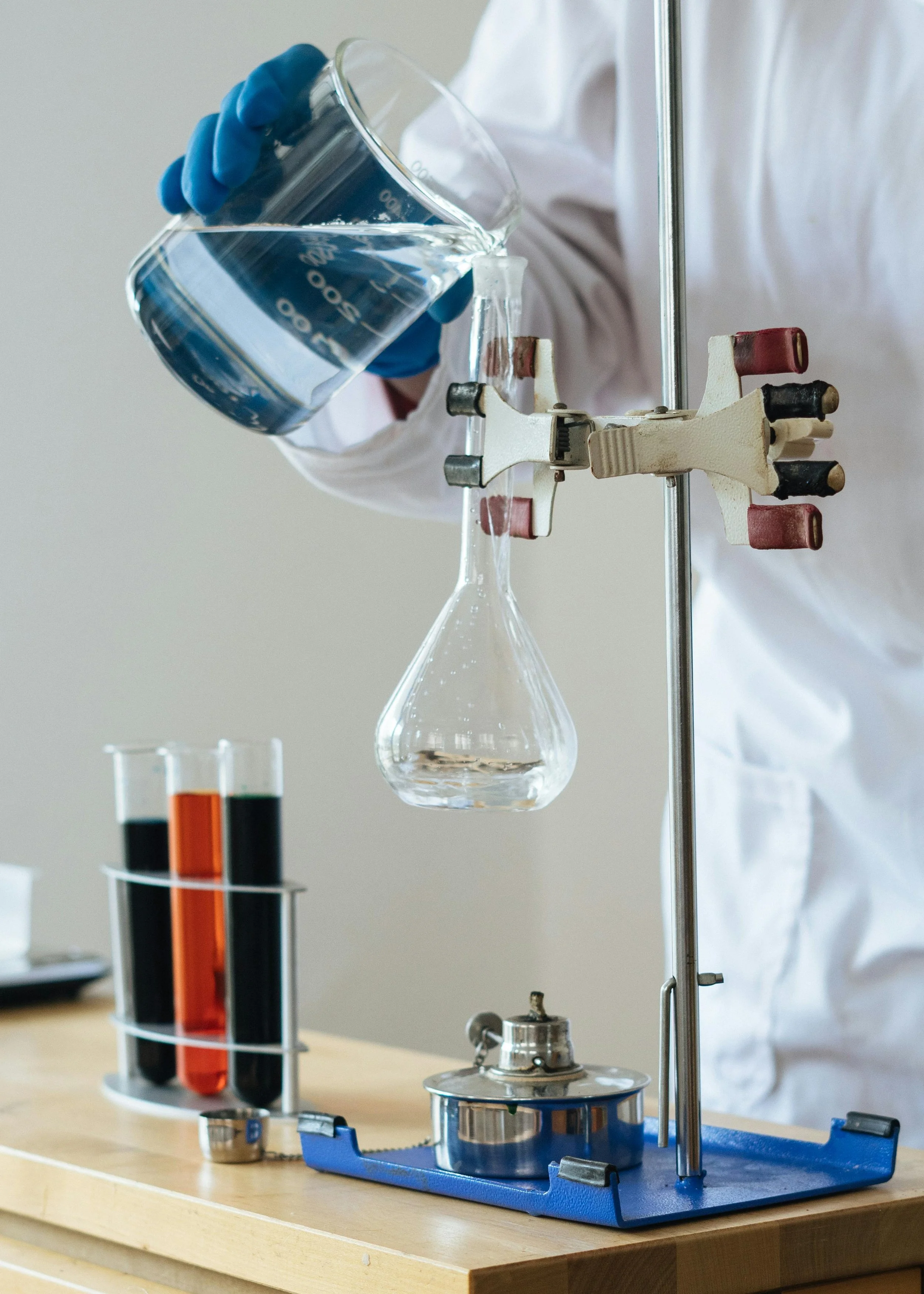
How Medical Cannabis Is Tested in Florida: Potency, Purity, and Safety
In Florida’s medical program, products are batch-tested through licensed laboratories, and the results are documented in a Certificate of Analysis (COA)—a lab report that helps confirm potency (what you’re getting), purity (what you’re not getting), and safety (whether it meets the state’s limits).
Let’s break down what gets tested, how it works behind the scenes, and how to use testing info to shop smarter at Green Dragon FL.

Terpenes vs. Cannabinoids: Key Differences for Patients
If you’re a Florida medical marijuana patient, you’ve probably seen this play out in real life: two products with similar THC numbers… but totally different experiences. One feels mellow and body-forward. The other feels bright, buzzy, or more “heady.”
Here’s the deal: cannabinoids (like THC and CBD) are the headline act—but terpenes are the “how it feels” supporting cast that can help explain why your body responds the way it does.
Let’s break down the key differences (Green Dragon style), so you can shop with more confidence—without getting lost in lab-report alphabet soup.
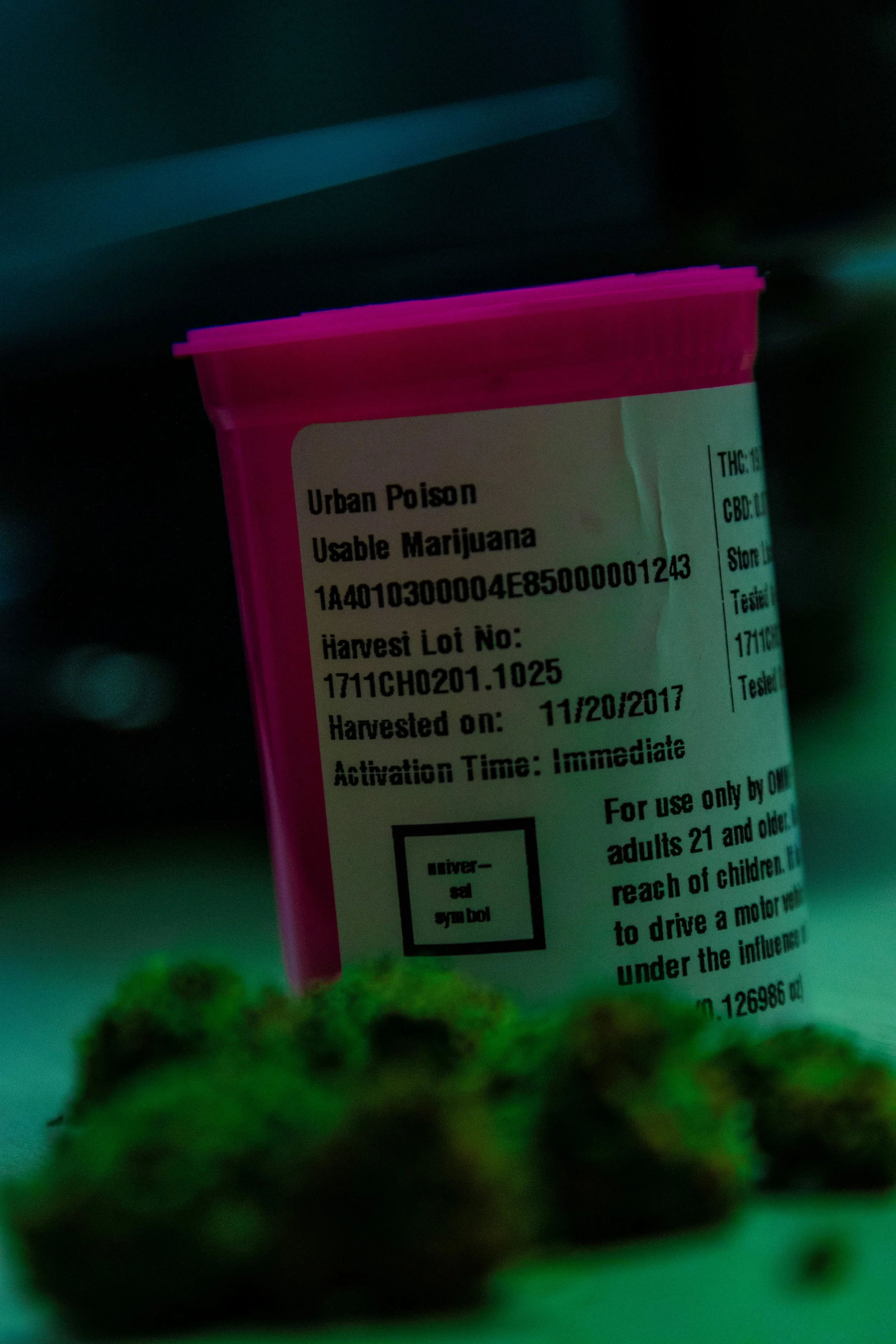
How to Read Cannabis Lab Reports with Confidence (Florida Patient Guide)
What a COA is (and why it matters in cannabis Florida)
A COA is a third-party lab report tied to a specific batch (also called lot) of a product. It typically covers two big things:
Potency (cannabinoids like THC/CBD, sometimes terpenes)
Safety (screens for contaminants like pesticides, heavy metals, microbials, residual solvents, etc.)
In Florida’s medical program, testing labs are certified through the state’s Office of Medical Marijuana Use (OMMU), and OMMU publishes a list of certified marijuana testing laboratories (CMTLs).