
Terpene Ratios vs THC Percentage: What Matters More?
THC tells you how strong a product may feel. Terpenes help explain how it may feel. Here’s how Florida medical cannabis patients can use both to shop smarter.
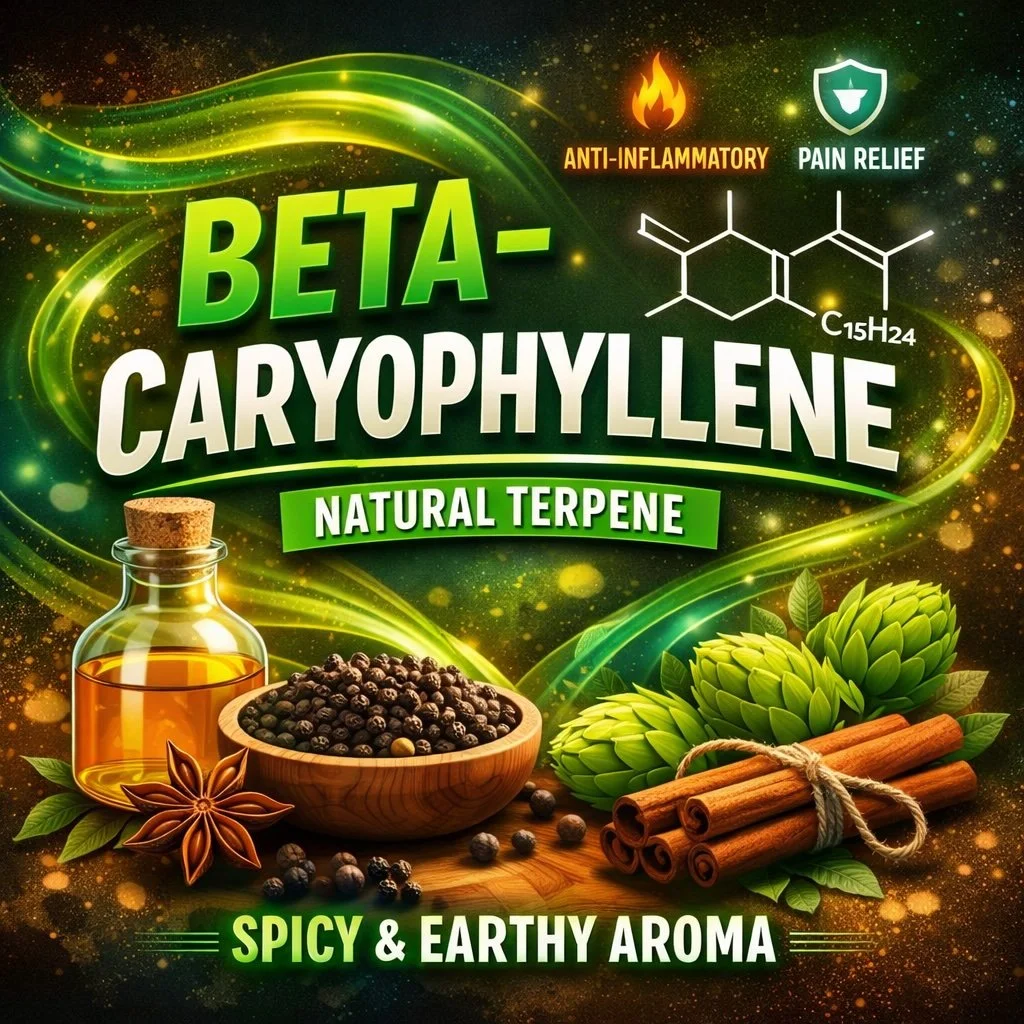
Beta-Caryophyllene: The Terpene That Interacts with CB2 Receptors
When Florida patients talk about medical cannabis, the conversation usually starts with THC (or CBD) and ends there. But if you’ve ever tried two products with similar THC percentages and had very different experiences—more body relief from one, more heady intensity from another—you’ve already met the missing piece: cannabis terpenes.
One terpene in particular keeps showing up in modern cannabis education for a reason: beta-caryophyllene (β-caryophyllene). It’s famous for its peppery, spicy aroma, but what really makes it stand out is that it can interact with the endocannabinoid system—specifically by engaging CB2 receptors.
Let’s break down what that means (in real-life terms), how to spot beta-caryophyllene on a lab report, and which terpene-forward options to look for on Green Dragon FL menus.
Linalool 101: How This Terpene Fits Into a Better Nighttime Routine
For Florida medical marijuana patients, terpenes like linalool can be a helpful educational lens: not as a guarantee of effects, but as a way to understand why two products with similar THC numbers can feel totally different. And at Green Dragon, we’re big on helping patients shop smarter—premium bud, not premium prices—with real-world, practical guidance.
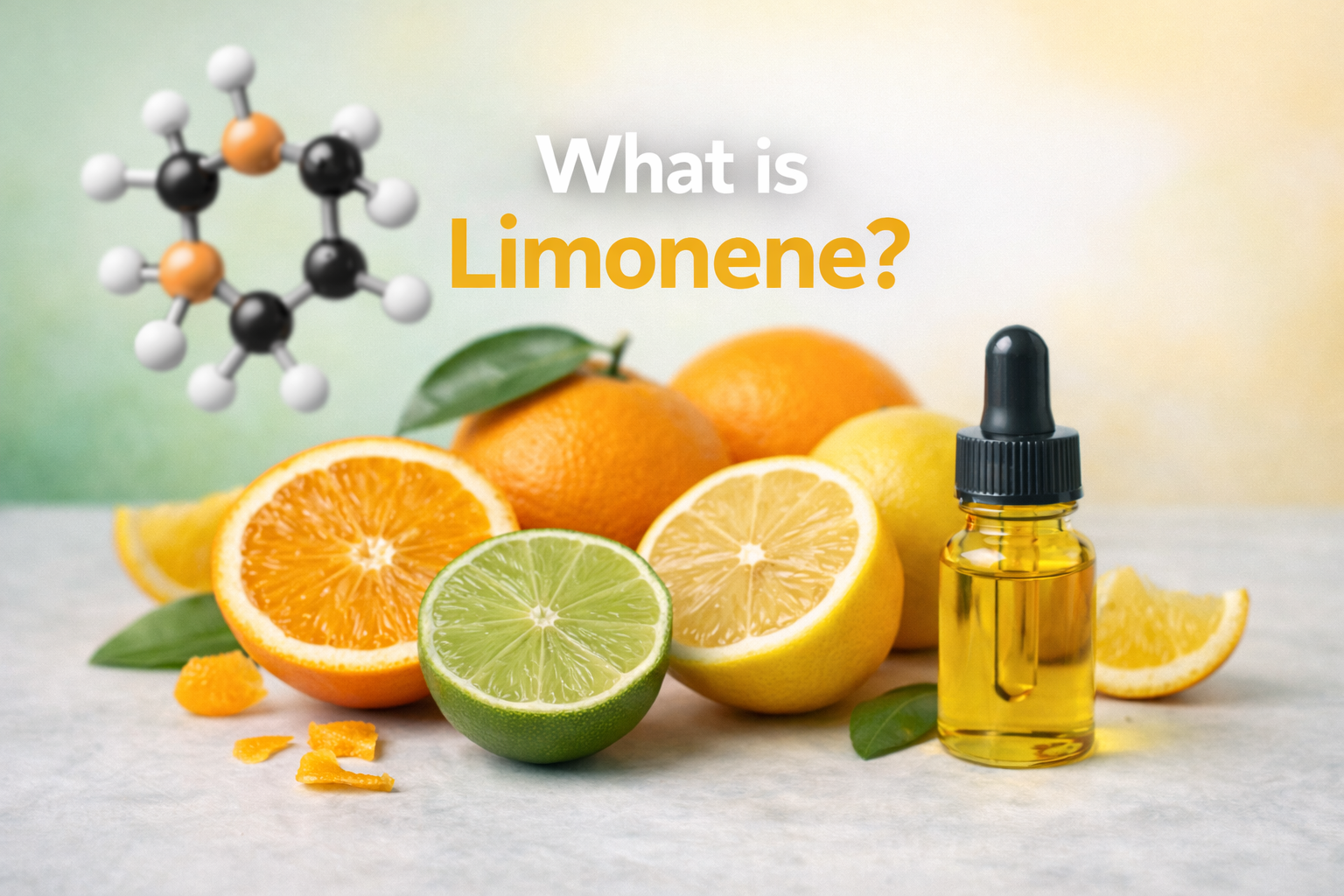
Limonene Terpene Profile: Mood, Stress, and Therapeutic Potential
Limonene is one of cannabis’s most recognizable terpenes—the aromatic compounds that help shape a strain’s scent, flavor, and overall vibe. In the world of medical marijuana Florida patients, limonene tends to get a lot of love for one simple reason: it often feels bright. Think citrus zest, fresh-squeezed energy, and that clean, upbeat aroma that can make a heavy day feel a little lighter.

Terpenes for Pain Relief: A Florida Patient Guide
Quick reality check: “entourage effect” is real… and still debated
You’ll hear the term entourage effect a lot—the idea that cannabinoids + terpenes together may create effects that differ from isolated compounds. There are reviews discussing possible synergy and “multi-compound” effects in medicinal cannabis products.
How to Read Cannabis Lab Reports with Confidence (Florida Patient Guide)
What a COA is (and why it matters in cannabis Florida)
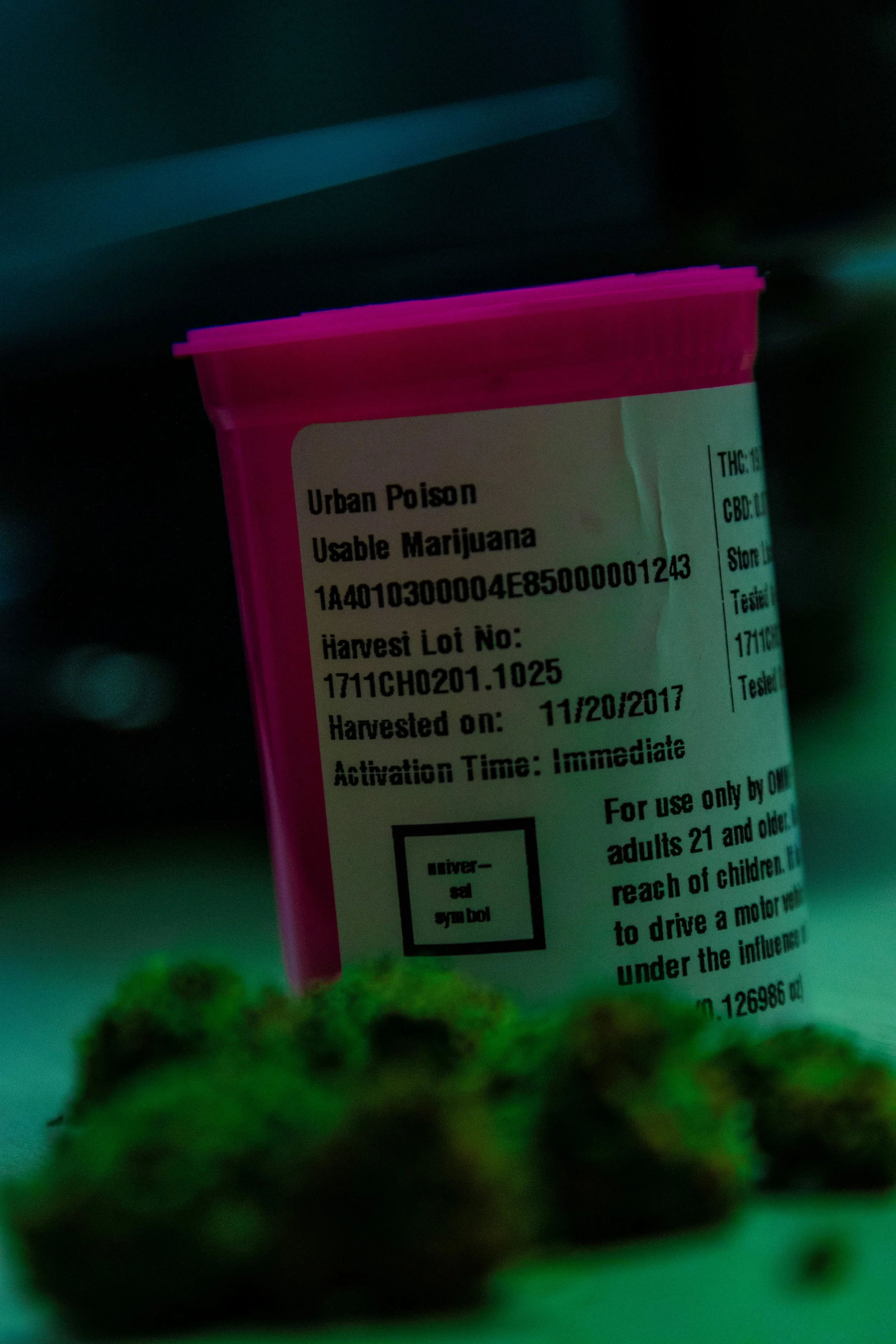
A COA is a third-party lab report tied to a specific batch (also called lot) of a product. It typically covers two big things:
Potency (cannabinoids like THC/CBD, sometimes terpenes)
Safety (screens for contaminants like pesticides, heavy metals, microbials, residual solvents, etc.)
In Florida’s medical program, testing labs are certified through the state’s Office of Medical Marijuana Use (OMMU), and OMMU publishes a list of certified marijuana testing laboratories (CMTLs).